Disasters
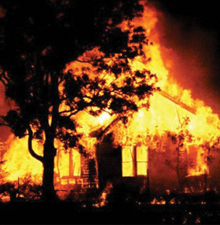
Bushfires -in Australia are frequent events during the hotter months of the year, due to Australia's mostly hot, dry climate.
Ash Wednesday fires in Victoria and South Australia, Feb 16 1983
The highest recorded bushfire death toll in Australia.
The
terrible fires that blazed from 16 February (Ash Wednesday) to 18
February throughout Victoria and South Australia killed 72 people,
including 15 fire fighters, and destroyed more than 2000 homes and huge
areas of forest and farmland.
Drought-
is a prolonged, abnormally dry period when the amount of available
water is insufficient to meet our normal use. Drought is not simply low
rainfall; if it was, much of inland Australia would be in almost
constant drought
Our country relies on farming for a considerable part of its income.
Much of the land used for farming receives unreliable rain.
Lack of rain can quickly lead to failure of crops, food and water running out and stock dying.
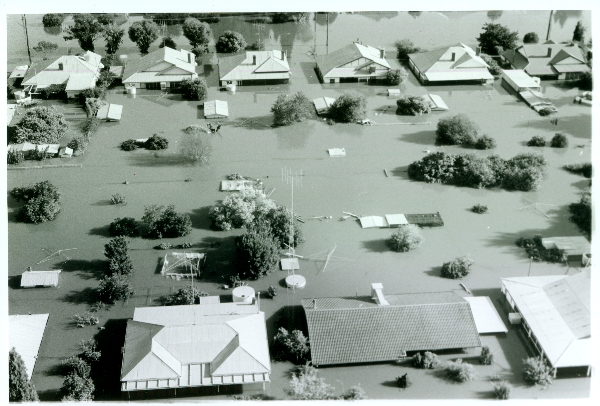
Flooding in Nyngan in 1990
Although
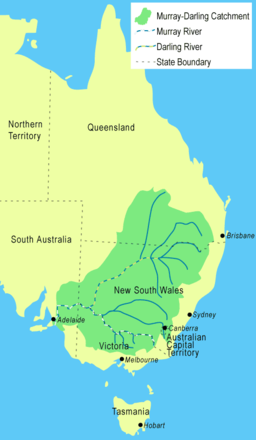
our continent is very dry, one major cause of natural disasters is
flooding. Many river systems cross a large portion of the continent
from South Queensland to South Australia.
Some areas may not have rain for years and then experience a prolonged period of heavy rain.
The flat nature of the Western plains in New South Wales allows flood waters to spread far and wide across the countryside, isolating farms, stations and towns.
{
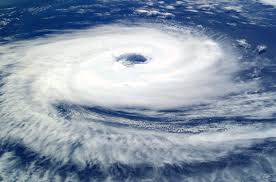
A cyclone is a large scale air mass that rotates around a strong centre of low pressure.
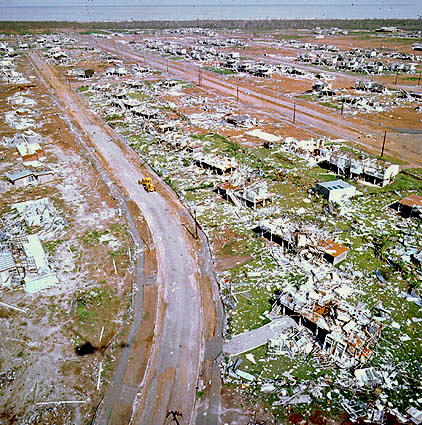
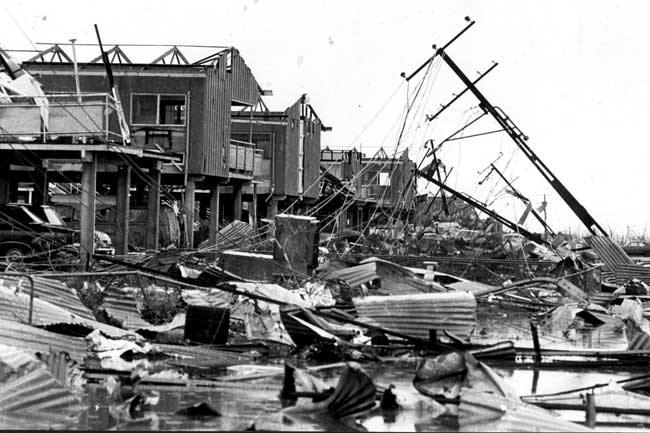
Cyclone Tracy in Darwin in December, 1974 and cyclone damage to Karratha north of Port Hedland, WA, caused by Cyclone Steve in March 2000.
Cyclones
are common in tropical northern Australia but deaths only occur rarely
as they mostly pass over country that is sparsely inhabited and over
the ocean.
Cyclone Tracy killed 71 people, caused A$837
million in damage (1974 dollars), or approximately A$4.45 billion (2014
dollars). It destroyed more than 70 per cent of Darwin's buildings,
including 80 per cent of houses
A hailstorm is precipitation in the form of balls or lumps of clear ice and compact snow.
During
1999, a freak hailstorm moved across Sydney. It was so intense and the
hailstones so large, that hundreds of homes had holes knocked in their
roofs. There was extensive damage done to hundreds of cars, costing
millions of dollars to repair.
More
than a year later, many homes still did not have their roofs fixed. The
same storm occurring out to sea would not be a disaster.
An
earthquake is a sudden shaking of the Earth's surface caused by rock
breakage deep within the Earth. This is the result of stresses that
have built up within the Earth's brittle crust.
The
1989 Newcastle earthquake occurred in Newcastle, New South Wales on
Thursday, 28 December. The shock measured 5.6 on the Richter magnitude
scale and was one of Australia's most serious natural disasters,
killing 13 people and injuring more than 160.

The earth tremors felt in Australia are usually quite minor and do not cause major damage.
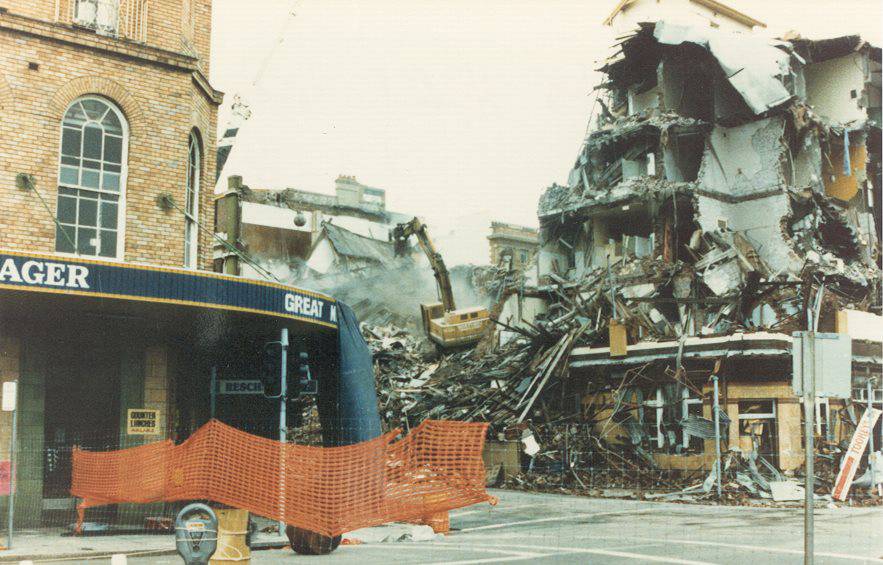
Disasters associated with human activity using specific Australian examples
Landslide Thredbo, July 1997 The
road, the Alpine Way above the town collapsed on top of the houses. The
road drainage was not adequate so erosion from the rain caused the
landslide.
{
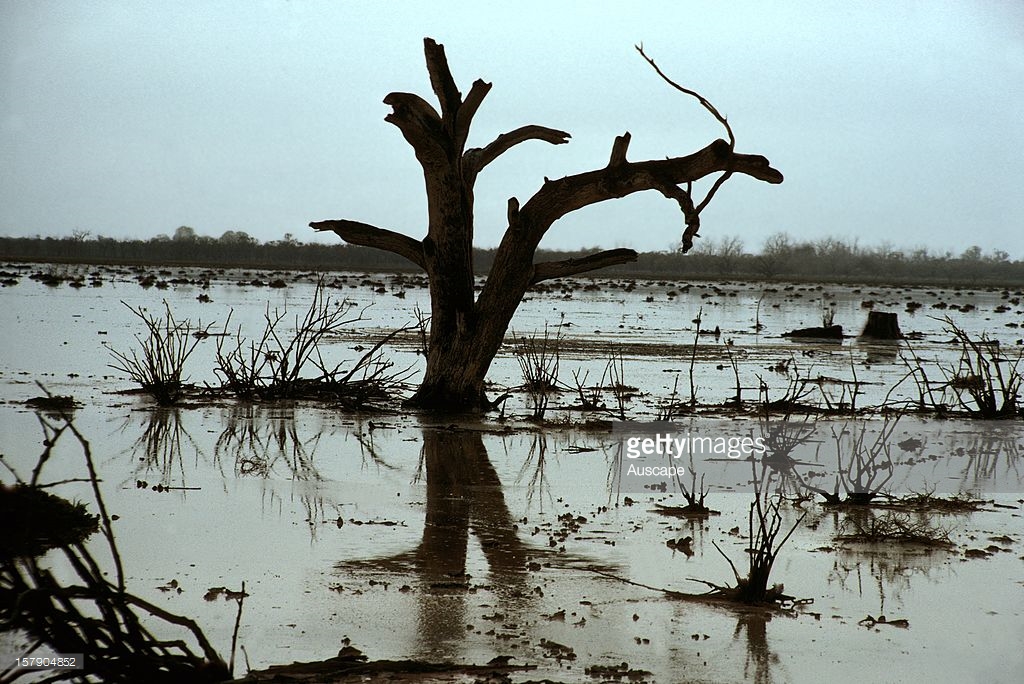
Soil salinity is the salt content in the soil.
Salinity
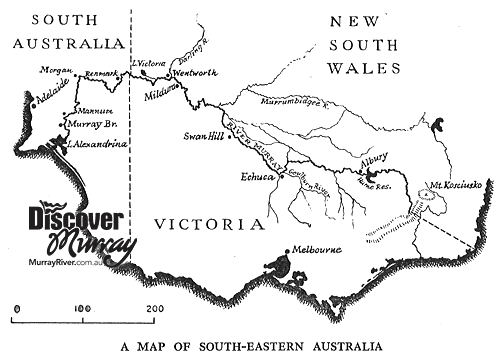
is natural in parts of Australia but the salinity problems in the
Murray Valley and other parts of Australia have been made worse by over
watering by irrigators, resulting the raising of the water table that
contains water saline.
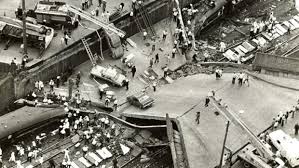
Granville Train Disaster 1977